For Hummingbirds (Tubular & Red)
- Wild Columbine (Aquilegia canadensis)
- Cardinal Flower (Lobelia cardinalis)
- Trumpet Honeysuckle (Lonicera sempervirens)
- Bee Balm (Monarda didyma)

371B West Lancaster Avenue
Wayne, PA 19087
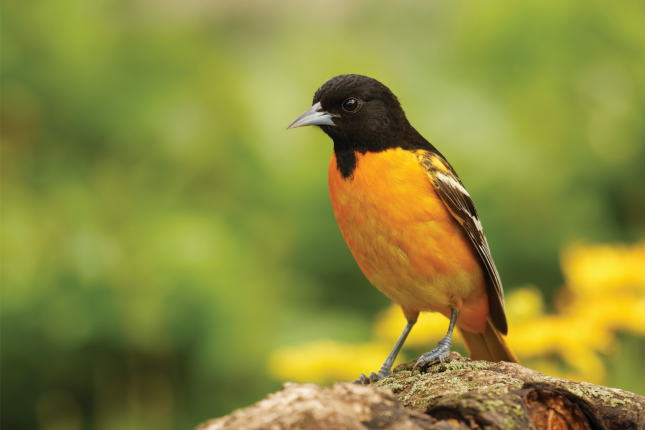
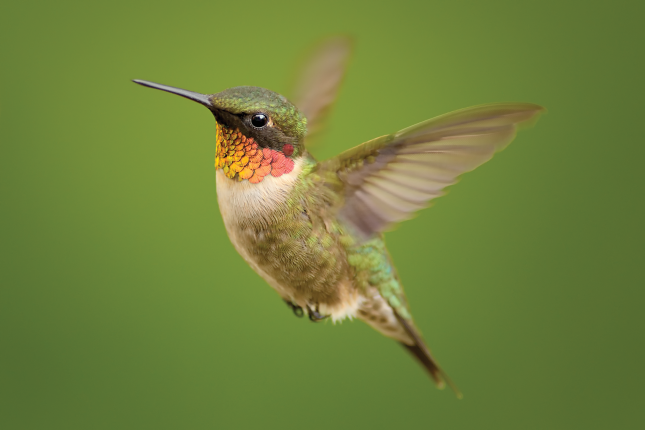
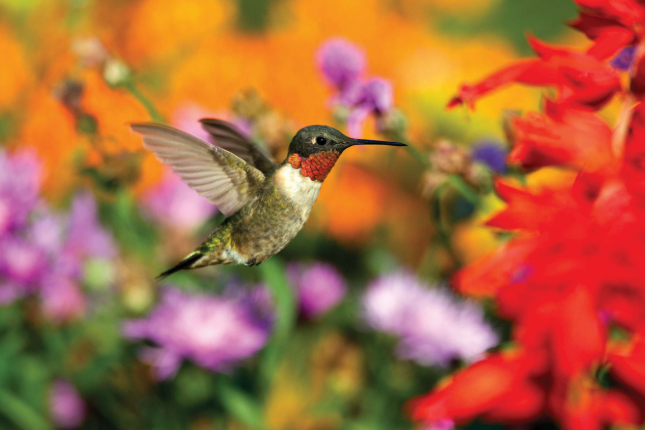
As the lush greens of spring take over the rolling hills of Southeastern Pennsylvania, two of our most vibrant summer residents have officially returned. The **Ruby-throated Hummingbird** and the **Baltimore Oriole** are back from their winter vacations in Central America, bringing a flash of iridescent green and fiery orange to our backyards.
If you’re living in the Philly suburbs, the Lehigh Valley, or the Lancaster countryside, here is everything you need to know to host these spectacular avian guests.
In Pennsylvania, the "scouts" usually arrive in late April, but early to mid-May is when the migration hits its peak.
Ruby-throated Hummingbirds: These tiny dynamos (weighing less than a nickel!) are often spotted as early as April 15th.
Baltimore Orioles: Known for their flute-like song, they typically follow just a few days behind the hummers.
Both species have a serious sweet tooth, but they prefer their sugar served in different ways.
For the Hummingbirds: The Nectar
Forget the red dye—it’s unnecessary and potentially harmful. The best recipe is the one that mimics flower nectar:
The Ratio: 4 parts water to 1 part white granulated sugar.
The Method: Boil the water to help the sugar dissolve and to kill any bacteria, then let it cool completely before filling your feeder.
Pro Tip: Clean your feeders every 2–3 days. In the humid PA summer heat, sugar water can ferment or grow mold quickly, which is toxic to birds.
For the Orioles: The "Fruit Buffet"
Orioles are larger and cannot hover like hummingbirds, so they need feeders with sturdy perches.
Oranges: Slice an orange in half and spike it onto a feeder or a branch. The bright orange color acts as a neon sign for them.
Grape Jelly: Serve a small amount of grape jelly in a shallow dish. Look for brands without high-fructose corn syrup or artificial sweeteners.
Nectar: Orioles will also drink nectar, often from the same 4:1 mix as hummingbirds, provided the feeder ports are large enough for their beaks.
1. Water is Key: Both species love a bath. A "mister" or a very shallow birdbath with moving water (using a "wiggler" or small pump) will attract them far better than stagnant water.
2. Avoid Pesticides: While they love sugar, both birds rely on **insects** for protein—especially when feeding their young. Hummingbirds eat tiny gnats and spiders, while Orioles hunt for caterpillars. Pesticides eliminate their primary food source.
3. The "Orange" Factor: If you’re having trouble attracting Orioles, try hanging something bright orange (like a ribbon or the feeder itself) near a high branch. They tend to stay higher in the canopy than hummingbirds.
While feeders are great, nothing beats a natural habitat. Southeastern PA's climate (Zone 6b/7a) is perfect for several native plants that these birds evolved with.
For Hummingbirds (Tubular & Red)
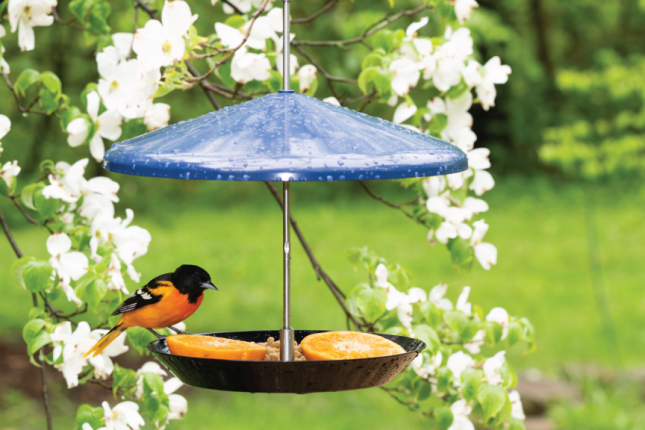
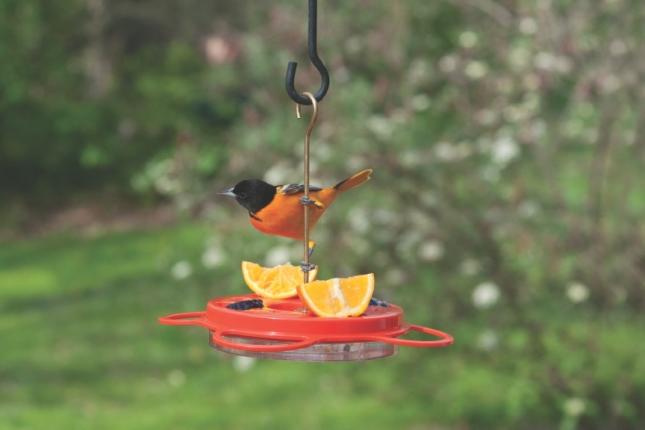
Our oriole feeder offers nectar (12 oz capacity) with several feeding stations, includes jelly wells in the lid and a place for an orange half. Orioles are especially attracted to citrus in the spring, and will seek out orange halves and grape jelly before shifting to a nectar diet. After nesting, they switch almost completely to insects. These feeders are easy to hang and super easy to clean.
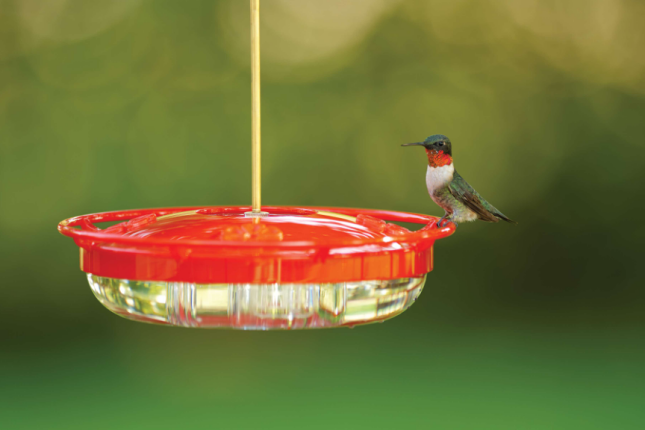
The feeder that gives the tiny guys a front-row seat and you a perfect view.
Our High Perch™ hummingbird feeder is the perfect way to attract hummingbirds to any yard. It features a high perch that allows hummingbirds to comfortably rest, providing you with better, longer views of the birds. The feeder has a clear bottom that allows you to see hummingbirds’ tongues lap up nectar (up to 12 times a second) as well as the level of the nectar solution. The feeder comes with a built-in ant moat to deter crawling bugs from reaching the nectar solution and it has ports that keep rain water from diluting the nectar solution. It’s easy to fill, clean and hang, and it comes in three sizes so you can choose the perfect one for your yard!
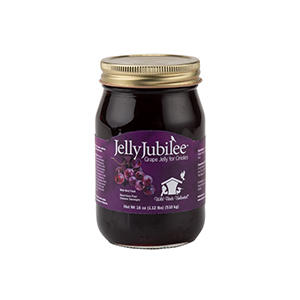
JellyJubilee® is grape jelly made special for orioles, catbirds, warblers and other fruit-eating birds. It has no high fructose corn syrup and is non-GMO. Easy to use jar for filling feeders. Enjoy the orioles and other birds gobbling up the jelly!
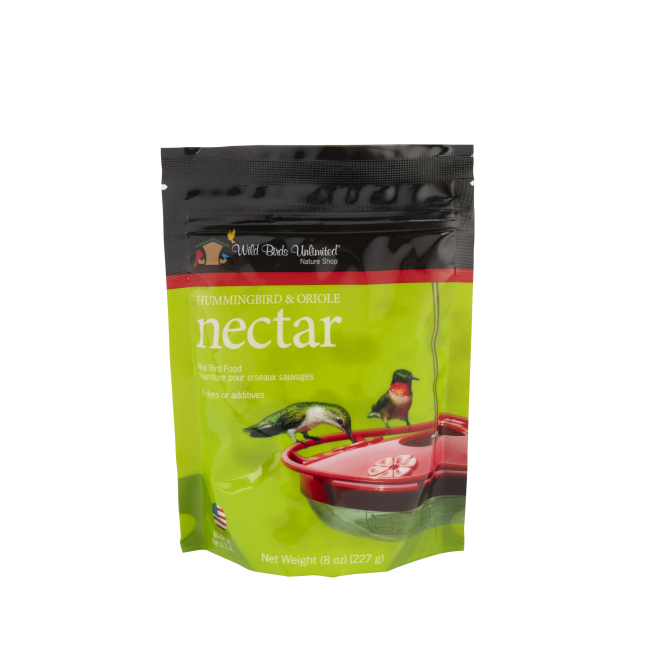
Our hummingbird and oriole nectar provides the high calories these active birds need. It contains no dyes or additives, is easy to mix and delivers wonderful results. Dissolve contents of pouch in 4 cups of water and then fill your feeders. This re-sealable pouch contains: 8 oz. of sucrose which makes 4 cups of hummingbird and oriole nectar solution.